“Hope is not naïveté, but a moral decision and a social practice” was a principle Marko Oršolić advocated throughout his work. His life and legacy are the focus of the book Bridges of Hope, authored by Nikola Vučić. On 6 July 2026, the book launch was held in Sarajevo, organized by the Bosnian Cultural Centre of Sarajevo Canton, Synopsys, IMIC – Interreligious Multicultural Centre “Together”, and the TPO Foundation, in the presence of numerous friends, associates, and admirers of the life and work of Fra Marko Oršolić.
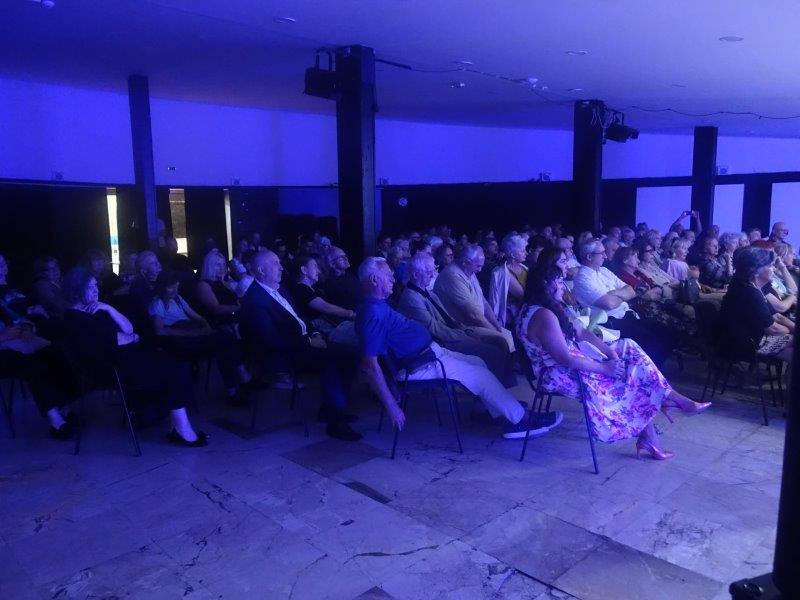
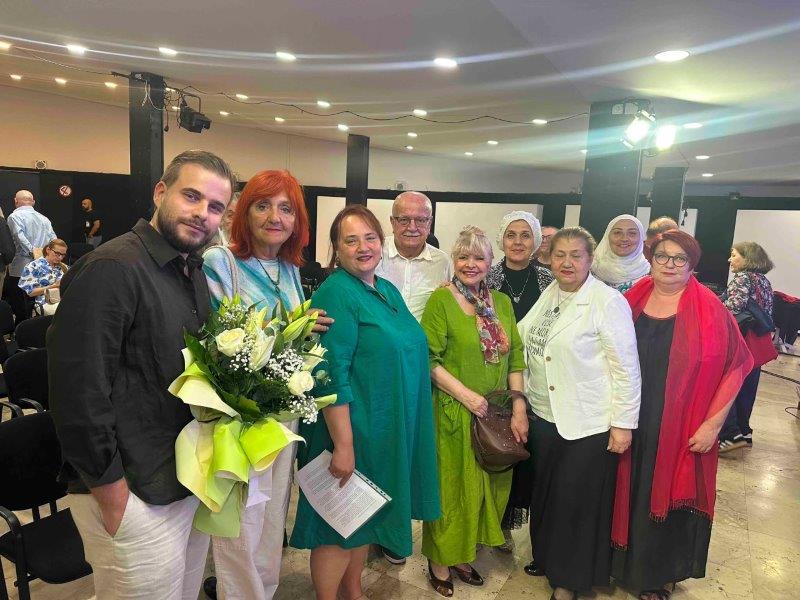
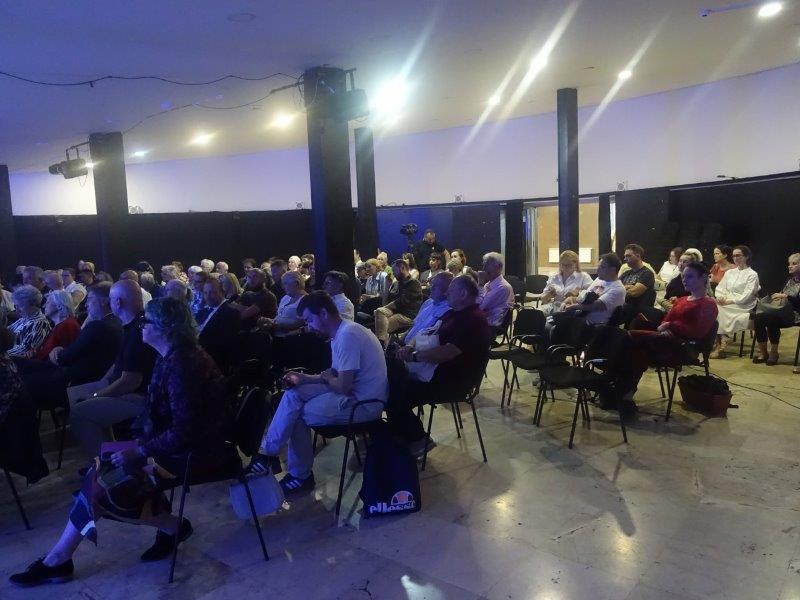
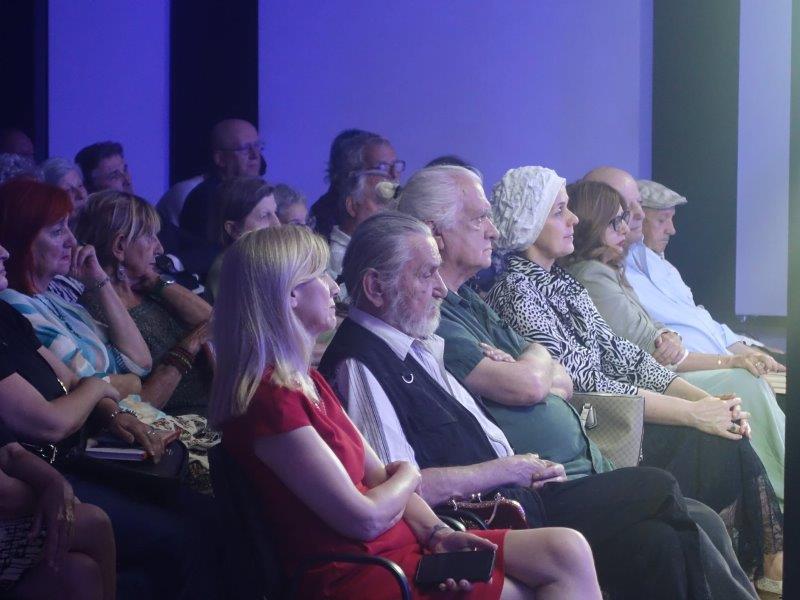
The book Bridges of Hope brings together memories, conversations, and narratives about Fra Marko Oršolić, one of Bosnia and Herzegovina’s most recognizable Franciscans, intellectuals, peacebuilders, and tireless builders of dialogue among people, religions, and worldviews. Through testimonies and reflections, the book preserves the memory of a man whose life demonstrated that Bosnia and Herzegovina is impossible without encounter, trust, courage, and hope.
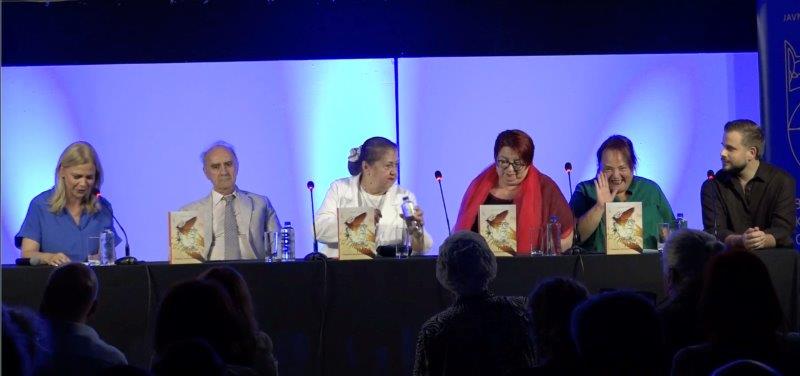
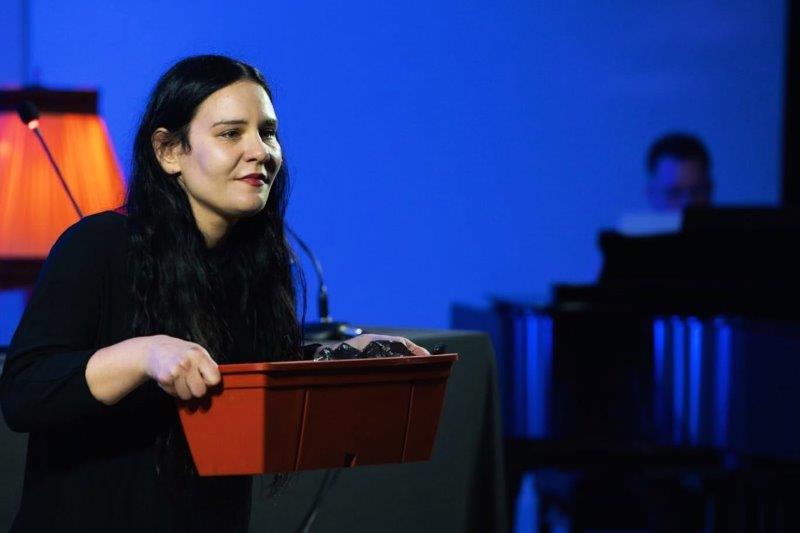
The speakers at the launch were Mišo Kulić, Besima Borić, Elma Softić-Kaunitz, Amra Pandžo, and the author Nikola Vučić, while the discussion was moderated by Sanela Dujković. An artistic performance by Uma Đurić gave the evening an additional emotional and symbolic dimension.
Mišo Kulić emphasized that Bridges of Hope is not only a remembrance of Fra Marko Oršolić, but also a reminder of the ethical responsibility of intellectuals to speak, in times of division, in the language of truth, dialogue, and human dignity.
Besima Borić noted that Fra Marko Oršolić belonged to the rare group of people who knew how to build trust across ideological, national, and religious boundaries, while remaining committed to the values of anti-fascism, solidarity, and human equality.
Elma Softić-Kaunitz spoke about the importance of preserving a culture of memory dedicated to people whose work connected different communities, emphasizing that the book represents a valuable contribution to remembering an open, plural, and solidaristic Bosnia and Herzegovina.
Amra Pandžo highlighted the peacebuilding and interreligious dimension of Oršolić’s work, recalling that his “bridges of hope” were built through everyday encounter, dialogue, trust, and the readiness to see the other not as a threat, but as a neighbor.
The author of the book, Nikola Vučić, thanked the speakers, organizers, and audience, stressing that the book emerged from the need to preserve the memory of a man whose life, thought, and work were dedicated to connecting people and defending hope in a society marked by war trauma, divisions, and political disappointments.
The book launch showed that Fra Marko Oršolić remains strongly present in the public, intellectual, and moral space of Bosnia and Herzegovina. His legacy is not only part of the past, but also a challenge for the present: how, in a time of new fears, exclusions, and social divisions, can we continue building bridges instead of walls?
At a time when hope is often suppressed by cynicism, and the public sphere is burdened by mistrust and hostility, this book reminds us that hope is not naïveté, but a moral decision and a social practice.